
Tooth Brushing for Kids
Contents

Medically reviewed by
Dr. Michelle Haghpanah, DDS, MPH
Board-Certified Pediatric Dentist
Dr. Michelle Haghpanah is a board-certified pediatric dentist dedicated to providing preventive, evidence-based dental care for infants, children, and adolescents. She earned her Doctor of Dental Surgery from New York University, a Master of Public Health from Yale University, and completed her pediatric dental residency at Mount Sinai Medical Center, where she served as Chief Resident. A former Associate Professor at the University of the Pacific with hospital privileges at Lucile Packard Children’s Hospital Stanford and Kaiser Santa Clara, Dr. Michelle reviews clinical content to ensure it reflects current pediatric dental guidelines, evidence-based practices, and clear, family-friendly information that helps parents make informed decisions about their child’s oral health.
Medically Reviewed by Dr. Michelle Haghpanah, DDS on August 4, 2026
When To Start Brushing Teeth
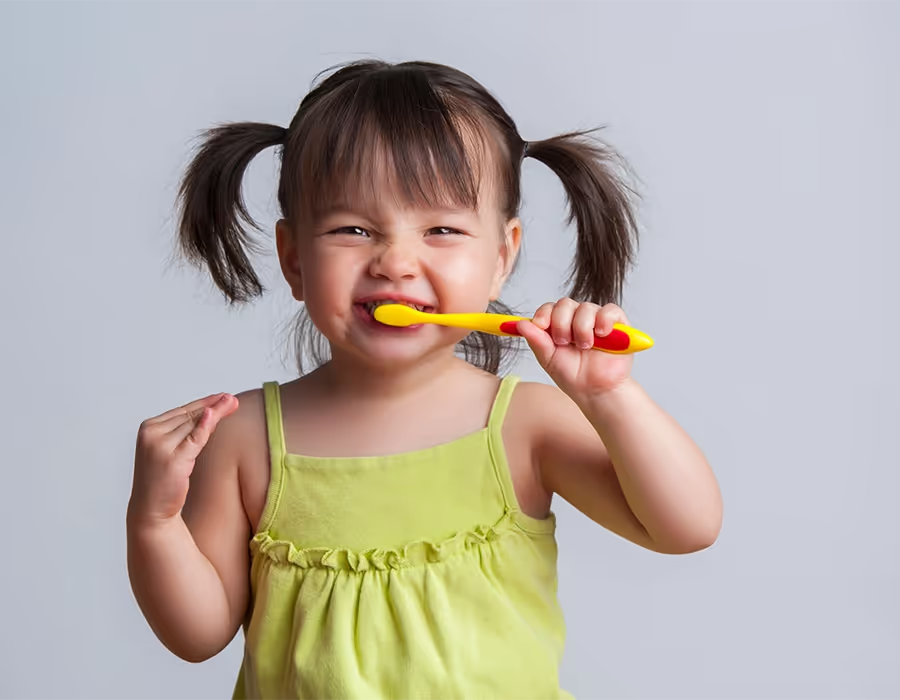
You can start brushing as soon as your child’s first tooth appears, usually around six months of age. Use a soft, child-sized toothbrush and a fluoride toothpaste appropriate for your child’s age, and brush gently twice a day, once in the morning and once before bed. Early brushing does more than clean the teeth. It gets your child used to the feel of a toothbrush and the rhythm of a daily routine, which makes cooperation easier as more teeth come in.
Keep brushing consistent even before your child can do it alone. Most children do not have the fine motor control to brush effectively on their own until around age 6 or 7, so parent-led brushing in the early years is what actually protects the teeth, not just a step toward independence.
How Much Toothpaste To Use, By Age
The amount of fluoride toothpaste matters as much as the brushing itself. According to the American Academy of Pediatric Dentistry, children younger than 3 years old should use only a smear or grain-of-rice-sized amount of fluoride toothpaste. Once a child turns 3 and can reliably spit rather than swallow, a pea-sized amount is appropriate, and that remains the standard recommendation through about age 6.
Children tend to swallow a lot of toothpaste while they brush, so measuring the amount matters more than it might seem. Swallowing too much fluoride regularly during the early years has been linked to mild fluorosis, a cosmetic change in the appearance of the adult teeth. Using the correct amount for your child’s age keeps the cavity-fighting benefit of fluoride without the added risk.
Choosing The Right Toothbrush: Soft Bristles, Size, And Manual Vs. Electric
Toothbrushes come in many shapes and sizes, so it might be difficult at first to find the right one for your child. The most important things to look for are soft or extra-soft bristles that are gentle on the gums and a head small enough to reach every tooth comfortably. Avoid toothbrushes with stiff or hard bristles, since these can irritate gum tissue and enamel that is still developing.
Manual and electric toothbrushes can both clean teeth effectively when used correctly, but research gives electric brushes a measurable edge for kids. A randomized clinical study published through the National Library of Medicine found that an electric toothbrush removed significantly more plaque than a manual brush in both primary and mixed dentition, with the largest improvement seen in children ages 7 to 9. If your child is old enough to hold a toothbrush steady and enjoys the vibration, a battery-powered or electric toothbrush with a kid-sized head can make brushing both more effective and more fun. Most manufacturers recommend waiting until around age 3 to introduce an electric toothbrush, and an adult should still supervise the brushing itself.
When purchasing toothpaste, be sure to use one that is approved by the American Dental Association and carries the ADA Seal of Acceptance, which confirms the product has been tested for safety and effectiveness.
The Correct Brushing Technique, Step By Step
Technique matters just as much as frequency. A few simple habits make brushing far more effective at removing plaque along the gumline, where most childhood cavities start.
- Angle the brush at 45 degrees. Tilt the bristles toward the gumline rather than straight onto the tooth surface so they can clean along the edge where plaque builds up.
- Use short, gentle strokes. Small back-and-forth motions work better than long, hard scrubbing, which can wear down enamel and irritate gums over time.
- Cover every surface. Brush the outer surfaces, inner surfaces, and chewing surfaces of every tooth, then tilt the brush vertically to clean behind the front teeth.
- Do not forget the tongue. A gentle brush across the tongue helps remove the bacteria that contribute to bad breath.
- Brush for a full two minutes. Most kids stop after 30 to 45 seconds unless they are guided, so timing the full two minutes, morning and night, is one of the simplest ways to improve results.
Setting a timer, playing a two-minute song, or using a toothbrush with a built-in timer can help your child brush for the full length of time without losing interest halfway through.
How To Teach Your Kids To Brush Their Teeth
Many parents struggle to get their children to brush and floss regularly, even though maintaining proper dental hygiene is vital for healthy teeth. Establishing good oral health habits early can have a major impact on your child’s smile later in life. Here are a few tips to help your children develop better oral hygiene habits and make brushing fun for the whole family.
- Set a good example for your children by practicing good daily oral hygiene yourself and always making time to brush your teeth twice a day for two minutes each time. Showing your children that taking care of your teeth does not have to be a chore goes a long way.
- Consider a battery-powered or electric toothbrush that makes brushing a bit more fun. These are available at most drugstores, and children often enjoy using them because they vibrate and move on their own. Most come with replacement heads sized for growing mouths.
- If you are having trouble getting your child to brush, try turning it into a fun experience. Some children like singing while they brush, while others enjoy a game such as counting out loud for each tooth. Turning brushing into a nightly song or routine gives kids something to look forward to instead of something to resist.
- For more ideas on building the habit, our guide to making dental hygiene fun for kids and our tips for teaching kids to take care of their teeth both offer additional games and routines that work well alongside the technique tips above.
Supervision: How Long Should You Help Your Child Brush?
Most children cannot brush effectively on their own until they have the fine motor skills to manage a toothbrush with real control, which typically is not before age 6. We generally recommend that parents brush a child’s teeth directly through about age 6, then continue supervising through about age 8, checking in nightly and finishing any spots the child missed.
Handing off full brushing responsibility too early is one of the most common reasons cavities appear in the back molars, where thorough brushing requires more coordination than younger children have. If your child insists on brushing solo, let them go first, then follow up yourself to make sure every surface gets cleaned. Pairing brushing with regular flossing and consistent dental exams and cleanings rounds out a complete routine, and a broader look at preventing cavities in kids alongside our practical oral health tips for parents and kids rounds out a full at-home routine.
Our team at Little Bytes Pediatric Dentistry checks in on brushing technique, toothpaste amount, and supervision needs at every visit, adjusting recommendations as your child grows and their teeth change. If you have questions about your child’s brushing routine or want a hands-on demonstration during your next cleaning, schedule an appointment with our office and we will walk you and your child through it together.
Frequently Asked Questions About Brushing Children’s Teeth
When should I start brushing my child’s teeth?
You can begin brushing as soon as the first tooth appears, usually around six months old. Use a soft, child-sized toothbrush and a fluoride toothpaste appropriate for your child’s age, brushing gently twice a day. Starting early builds the habit and gets your child comfortable with the routine well before they need to brush on their own.
How much toothpaste should my child use?
Children younger than 3 should use only a smear or grain-of-rice-sized amount of fluoride toothpaste. Once a child turns 3 and can reliably spit instead of swallow, a pea-sized amount is appropriate through about age 6. Using the correct amount limits how much fluoride a child swallows while still protecting against cavities.
Is an electric toothbrush better than a manual one for kids?
Both can clean teeth effectively when used correctly, but research shows electric toothbrushes remove noticeably more plaque, especially in children ages 7 to 9. Most manufacturers recommend waiting until around age 3 to introduce an electric toothbrush, and an adult should still supervise brushing regardless of which type your child uses.
Until what age should I supervise my child’s brushing?
Most children lack the fine motor control to brush thoroughly on their own before age 6. We recommend parents brush a child’s teeth directly through about age 6, then supervise and finish any missed spots through about age 8. Handing off full responsibility too early is a common reason cavities develop in the back teeth.
What if my child resists brushing or fights the routine?
Turning brushing into a predictable, engaging routine usually helps more than pressure does. Try a two-minute song, a countable game, or letting your child pick their toothbrush design. Consistency, a calm tone, and brushing at the same times each day tend to reduce resistance faster than any single trick.
How long and how often should kids brush their teeth?
Children should brush for a full two minutes, twice a day, once in the morning and once before bed. Most kids stop brushing after 30 to 45 seconds unless guided, so timing the full two minutes with a clock, song, or timer-equipped toothbrush makes a real difference in how clean the teeth actually get.
About the Author
Board-Certified Pediatric Dentist, Little Bytes Pediatric Dentistry
Dr. Michelle is a board-certified pediatric dentist practicing in Palo Alto, with hospital privileges at Lucile Packard Children’s Hospital at Stanford and Kaiser Santa Clara. She completed her pediatric dental residency at The Mount Sinai Medical Center and focuses her practice on prevention and building positive dental experiences for children.