

When a child loses a baby tooth too early, it can seem minor because primary teeth fall out on their own eventually. But timing matters in dental development. Baby teeth guide the path of permanent teeth and hold the arch space those teeth need.
Dr. Michelle Haghpanah, Dr. Reena Grover, and our team at Little Bytes Pediatric Dentistry in Palo Alto evaluate every premature tooth loss to decide whether a space maintainer is the right step for your child. Space maintainers are part of our early orthodontic care.
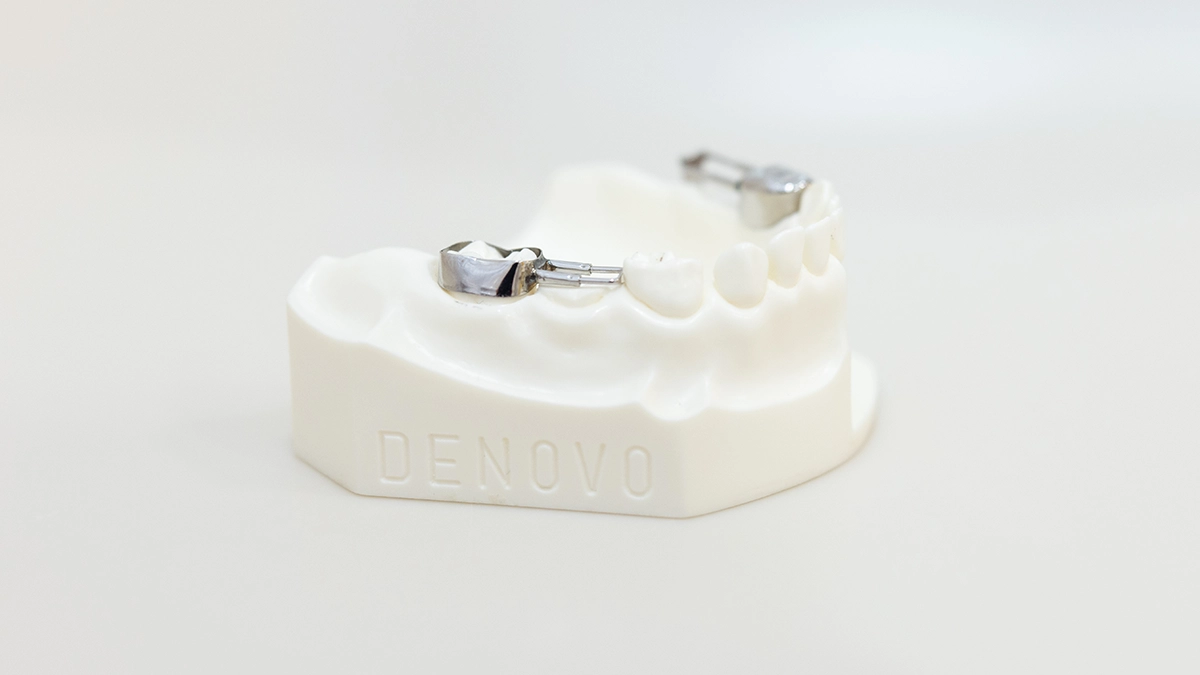
Space maintainers are small dental appliances placed in the gap left by a lost baby tooth. They hold the space open until the permanent tooth is ready to erupt, which may help prevent crowding and bite problems that could otherwise need more involved orthodontic treatment. Our doctors recommend them when the clinical evidence supports it.
There are several reasons children lose baby teeth early:
Leaving that space unaddressed may lead to more involved restorative dentistry or orthodontic needs later. Space maintainers can be fixed or removable, and our doctors recommend the type that suits your child.
Not every early tooth loss needs a space maintainer. The decision depends on which tooth was lost, your child’s age, how far the permanent tooth has developed, and how much space remains. Back teeth, especially primary molars, carry a higher risk of space loss because the permanent molars behind them tend to drift forward. Front teeth carry a lower risk and do not always need intervention.
The AAPD guideline on the developing dentition includes space maintenance as part of managing a child’s growing bite. Common reasons for early tooth loss include untreated decay that needs restorative treatment or extraction, and injuries from falls or sports. We use X-rays to check the permanent tooth before making a recommendation.
Space maintainers come in fixed and removable designs. The right type depends on the location of the missing tooth, your child’s age, and how well your child can follow care instructions.
Fixed space maintainers are cemented to nearby teeth and stay in place day and night. The band and loop uses a metal band around the tooth beside the gap and a wire loop across the space. When both sides of the lower arch need support, a lower lingual holding arch connects teeth on each side. A distal shoe is used when a permanent first molar has not yet erupted.
Removable space maintainers resemble a partial denture and can include a false tooth, which is more common after a front tooth is lost. They suit older, cooperative children, and they only work when they are worn.
Placing a fixed space maintainer is a straightforward visit that usually does not involve drilling. We take an impression or digital scan, then fit the band, adjust the wire, and cement the appliance in place. Most children tolerate the visit well, and mild awareness of the appliance usually fades within a day or two.
The appliance stays in place until the permanent tooth has erupted enough and is moving into the correct position. You then return for a simple removal visit.
Aftercare centers on two habits. First, your child should avoid sticky foods such as gum, caramel, and gummy candies, which can catch on the wire or loosen the cement. Second, your child should not push or pull on the appliance with the tongue or fingers. Keep brushing and flossing, with extra attention around the band and wire, and keep up regular preventive visits so we can check the appliance. If it feels loose or is damaged, call our office promptly.
Space maintenance may also help prepare for orthodontic care later.
Many dental plans offer some coverage for space maintainers, though coverage and out-of-pocket costs vary by plan. We explain our fees and how we file insurance for fee-for-service patients, and we are glad to review your options with you.
A baby tooth saves space for the adult tooth. When one falls out too early, nearby teeth may drift into the gap, causing crowding and a poor bite. Our doctors can tell you whether your child needs a space maintainer.
A space maintainer stays in place until the adult tooth comes in, which varies from child to child. Regular brushing and dental visits help keep it working as it should.
Space maintainers usually do not cause pain, though your child may notice the appliance for a day or two. If your child has pain, call our office so Dr. Michelle and our pediatric dental team can check the appliance.
Avoid sticky foods and chewing gum, and ask your child not to push on the device with the tongue or fingers. Keep it clean with routine brushing and flossing, and continue going to preventative dental appointments in Palo Alto.
Call our office promptly if the appliance feels loose, comes off, or is damaged so we can check it and fit it back if needed.
Little Bytes Pediatric Dentistry has served Palo Alto families for more than 10 years and holds a 4.9-star Google rating from 357 reviews. Dr. Haghpanah earned her DDS at New York University College of Dentistry and holds a master’s degree from Yale University. We also explain our fees and how we file insurance for fee-for-service patients.
If your child has lost a baby tooth early, we are here to answer your questions and help you weigh your options. Contact our office to schedule a visit and find out whether a space maintainer may be right for your child.
Please complete and submit the form and a member of our staff will contact you shortly.
"*" indicates required fields
Location & Hours
We use cookies to improve your experience on our site. By using our site, you consent to cookies.
Manage your cookie preferences below:
Essential cookies enable basic functions and are necessary for the proper function of the website.
CloudFlare provides web performance and security solutions, enhancing site speed and protecting against threats.
Service URL: developers.cloudflare.com (opens in a new window)
These cookies are needed for adding comments on this website.
Google reCAPTCHA helps protect websites from spam and abuse by verifying user interactions through challenges.
Google Tag Manager simplifies the management of marketing tags on your website without code changes.
Statistics cookies collect information anonymously. This information helps us understand how visitors use our website.
Google Analytics is a powerful tool that tracks and analyzes website traffic for informed marketing decisions.
Service URL: policies.google.com (opens in a new window)
Marketing cookies are used to follow visitors to websites. The intention is to show ads that are relevant and engaging to the individual user.
Google Maps is a web mapping service providing satellite imagery, real-time navigation, and location-based information.
Service URL: policies.google.com (opens in a new window)