
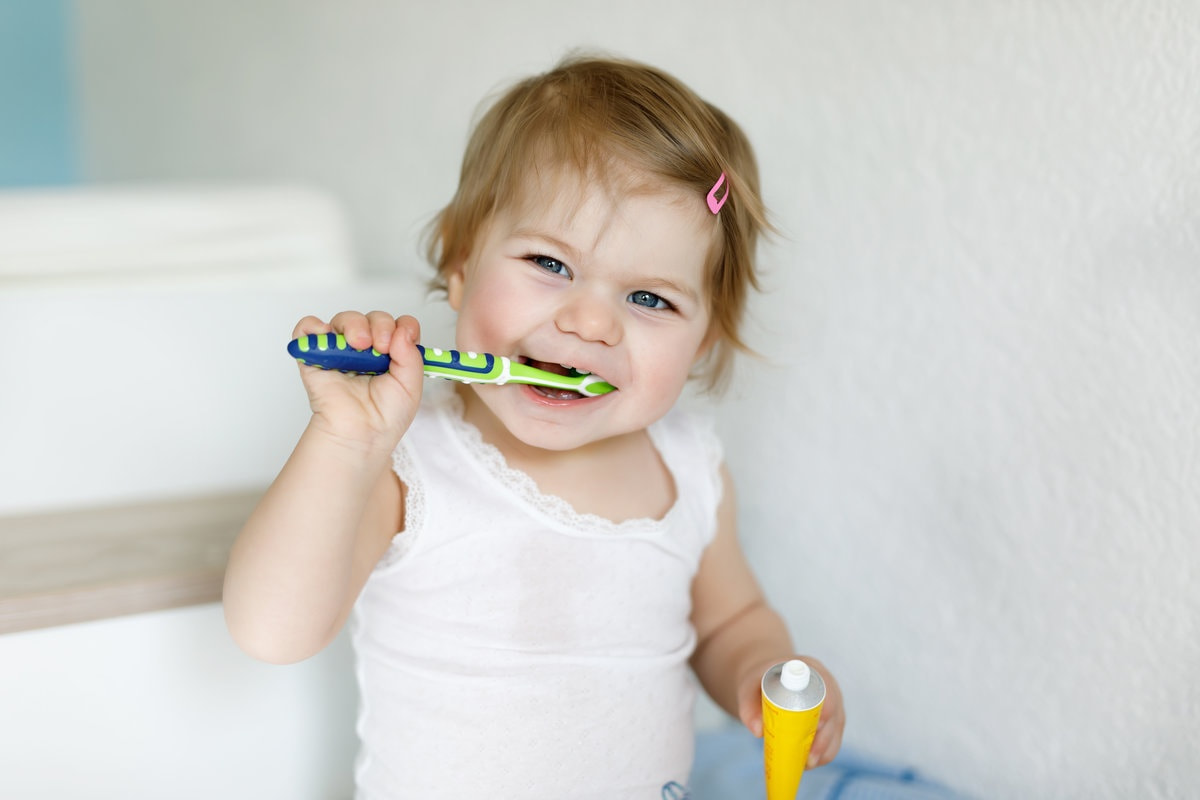

The earliest days of your baby’s life involve countless decisions about their health and development, yet oral care often receives little attention until problems emerge. Many parents wonder when dental care should begin and how to protect tiny teeth that haven’t even erupted yet. Understanding infant oral health sets the foundation for a lifetime of healthy smiles.
Little Bytes Pediatric Dentistry serves families throughout the Los Altos area with specialized care designed for the youngest patients. Dr. Michelle and Dr. Grover, both board-certified pediatric dentists with privileges at Lucile Packard Children’s Hospital at Stanford and Kaiser Santa Clara, provide expert guidance on infant oral health that addresses each family’s unique needs and concerns.
Oral health during infancy influences development well beyond the mouth. Healthy baby teeth support proper nutrition by enabling effective chewing as children transition to solid foods. These primary teeth maintain space for permanent teeth and guide their eruption into correct positions, preventing crowding and alignment issues that may require orthodontic intervention later. Speech development depends on having teeth in proper positions, with missing or damaged primary teeth sometimes causing articulation difficulties.
The American Dental Association, American Academy of Pediatric Dentistry, and American Academy of Pediatrics recommend children establish an ongoing relationship with a dentist between six and twelve months of age to ensure the first dental visit occurs during the first year of life. This early assessment allows pediatric dentists to identify risk factors, provide preventive strategies, and educate parents about practices that promote healthy oral development.
Oral care begins before the first tooth emerges. Bacteria naturally present in the mouth can accumulate on gums, creating an environment that affects emerging teeth. Gently wiping your baby’s gums twice daily with a soft, clean cloth removes bacteria and establishes a foundation for good oral hygiene habits. This practice familiarizes infants with oral care routines, making the transition to tooth brushing smoother when teeth erupt.
The timing and sequence of tooth eruption varies among children, with most babies developing their first tooth between six and ten months of age. Lower central incisors typically emerge first, followed by upper central incisors and subsequent teeth in a generally predictable pattern. Some infants experience discomfort during teething, exhibiting increased drooling, irritability, and desire to chew on objects. Providing appropriate teething toys and gentle gum massage can offer relief during this developmental stage.

Once the first tooth emerges, brushing twice daily becomes essential for preventing decay. Use a soft, small-bristled toothbrush designed for infants with a smear of fluoride toothpaste no larger than a grain of rice. The American Academy of Pediatric Dentistry supports fluoride toothpaste use from the first tooth, as the benefits of cavity prevention outweigh the minimal risk of fluorosis when using the appropriate amount.
Position your baby comfortably, supporting their head while you gently brush all tooth surfaces. The goal involves removing bacteria and food particles rather than aggressive scrubbing that could irritate delicate gum tissue. Morning and bedtime brushing establishes consistent routines that children come to expect as they grow. Many infants initially resist tooth brushing, but patience and persistence help them accept this necessary care over time.
Early childhood caries represents the most common chronic disease affecting young children, yet it remains largely preventable through proper care and feeding practices. Bacteria that cause cavities feed on sugars present in the mouth, producing acids that erode tooth enamel. Frequent exposure to sugary liquids, particularly during sleep when saliva production decreases, creates conditions that promote rapid tooth decay.
Avoiding bottles at bedtime or during naps prevents prolonged sugar exposure that leads to cavity formation. Babies who fall asleep with bottles containing milk, formula, or juice experience continuous coating of teeth with sugar-containing liquids throughout their sleep period. This practice commonly causes severe decay affecting multiple teeth, sometimes requiring extensive treatment under general anesthesia. If your baby needs comfort while falling asleep, offer a bottle containing only water or transition to a pacifier instead.
Dietary choices during infancy significantly impact oral health development. Breast milk and formula provide essential nutrition during the first months of life, but parents should avoid allowing babies to nurse or bottle-feed continuously throughout the day or night once teeth emerge. Establishing defined feeding times with breaks between feedings allows saliva to naturally cleanse the mouth and neutralize acids.
As you introduce solid foods, focus on nutritious options including vegetables, fruits, whole grains, and proteins while limiting foods and drinks with added sugars. The Centers for Disease Control and Prevention emphasizes the importance of limiting sugary drinks to prevent cavities in young children. Juice should be limited or avoided entirely during infancy, with water serving as the primary beverage between milk feedings. When you do offer juice, limit it to four ounces daily and serve it with meals rather than throughout the day.
Fluoride strengthens tooth enamel and helps prevent cavities when used appropriately. Most community water systems add fluoride at optimal levels for dental health, providing consistent exposure through drinking water and foods prepared with water. If your home receives water from a private well or you primarily use bottled water, consult with our doctors about fluoride supplementation needs for your baby.
Professional fluoride varnish application provides concentrated protection for emerging teeth. Research demonstrates that fluoride varnish can prevent a significant percentage of cavities in primary teeth when applied regularly starting from tooth eruption. Our practice recommends fluoride varnish application during routine preventive visits, with frequency determined by your child’s individual risk factors and needs.
The first dental visit should occur within six months of the first tooth erupting or by the child’s first birthday, whichever comes first. This timing allows pediatric dentists to assess oral development, identify any concerns requiring attention, and establish a prevention-focused relationship before problems develop. Many parents delay dental visits until children reach preschool age, missing critical opportunities for early intervention and education.
During the initial visit, our doctors examine your baby’s teeth, gums, and oral structures while discussing your family’s oral hygiene practices and addressing any questions or concerns. We demonstrate proper brushing techniques, discuss developmental milestones to expect, and create an individualized prevention plan based on your child’s risk factors. These early visits familiarize infants with the dental environment in a positive, non-threatening way that reduces anxiety about future appointments.
Parents frequently wonder about pacifier use and its effects on oral development. Pacifiers serve important roles in soothing infants and have been associated with reduced risk of sudden infant death syndrome during sleep. Most children can use pacifiers during infancy without causing dental problems, though prolonged use beyond age three may contribute to bite irregularities. Our doctors provide guidance on appropriate pacifier use and strategies for discontinuing the habit at the right time.
Thumb or finger sucking represents another common concern for parents of young children. Like pacifier use, these self-soothing behaviors typically cause no lasting harm during infancy and toddlerhood. However, continuation of these habits after permanent teeth begin erupting around age six can affect tooth positioning and jaw development. Addressing these habits early with positive reinforcement and alternative coping strategies proves more effective than attempting to force immediate cessation.
Cavity-causing bacteria can transfer from parents and caregivers to babies through saliva. Sharing spoons, cleaning pacifiers with your mouth, or pre-chewing food introduces bacteria that colonize your baby’s mouth and increase their cavity risk. Maintaining your own oral health through regular dental care, proper hygiene, and treatment of active cavities reduces the bacterial load you might transmit to your child.
Siblings and other family members who interact closely with your baby should also practice good oral hygiene and avoid sharing utensils or other items that transfer saliva. Creating an environment where everyone prioritizes oral health benefits the entire family, establishing patterns that children naturally adopt as they grow and develop their own habits.
Infant oral health care establishes patterns that influence oral health throughout childhood and into adulthood. Children who receive consistent dental care from infancy experience fewer cavities, require less extensive treatment, and develop positive attitudes about dental visits. The investment in prevention during these early months yields returns that extend throughout your child’s life.
Our practice emphasizes education and partnership with families, recognizing that parents serve as the primary caregivers responsible for daily oral health practices. We provide practical guidance you can implement at home, answer questions as they arise, and adjust our recommendations based on your child’s individual needs and risk factors. This collaborative approach supports optimal outcomes for every child we serve.
Little Bytes Pediatric Dentistry welcomes infants for their first dental visits and provides comprehensive care as they grow. Dr. Michelle and Dr. Grover combine board-certified expertise with a gentle, child-focused approach that helps even the youngest patients feel comfortable. Our minimally invasive philosophy prioritizes prevention and conservative treatment that respects your child’s developing dental structures. Schedule your baby’s first dental visit with our Los Altos area practice and give your child the advantage of excellent oral health from the very beginning.

Please complete and submit the form and a member of our staff will contact you shortly.
"*" indicates required fields
Location & Hours