

Medically reviewed by
Dr. Michelle Haghpanah, DDS, MPH
Board-Certified Pediatric Dentist
Dr. Michelle Haghpanah is a board-certified pediatric dentist dedicated to providing preventive, evidence-based dental care for infants, children, and adolescents. She earned her Doctor of Dental Surgery from New York University, a Master of Public Health from Yale University, and completed her pediatric dental residency at Mount Sinai Medical Center, where she served as Chief Resident. A former Associate Professor at the University of the Pacific with hospital privileges at Lucile Packard Children’s Hospital Stanford and Kaiser Santa Clara, Dr. Michelle reviews clinical content to ensure it reflects current pediatric dental guidelines, evidence-based practices, and clear, family-friendly information that helps parents make informed decisions about their child’s oral health.
The teenage years come with enough to navigate without the added self-consciousness of a mouth full of metal brackets. For many teens, the idea of spending one to three years in traditional braces feels daunting, particularly when appearance and social comfort are already top of mind. Invisalign offers a compelling alternative: a clear aligner system that straightens teeth gradually and discreetly, without the dietary restrictions or visible hardware that braces require.
At Little Bytes Pediatric Dentistry, Dr. Michelle Haghpanah, Dr. Grover, and Dr. Hollander understand that orthodontic treatment is not a one-size-fits-all decision. As board-certified pediatric dentists serving families throughout the Palo Alto area, they help parents and teens evaluate all available options so that the path chosen fits the patient’s needs, lifestyle, and treatment goals.
How Invisalign Works for Teens
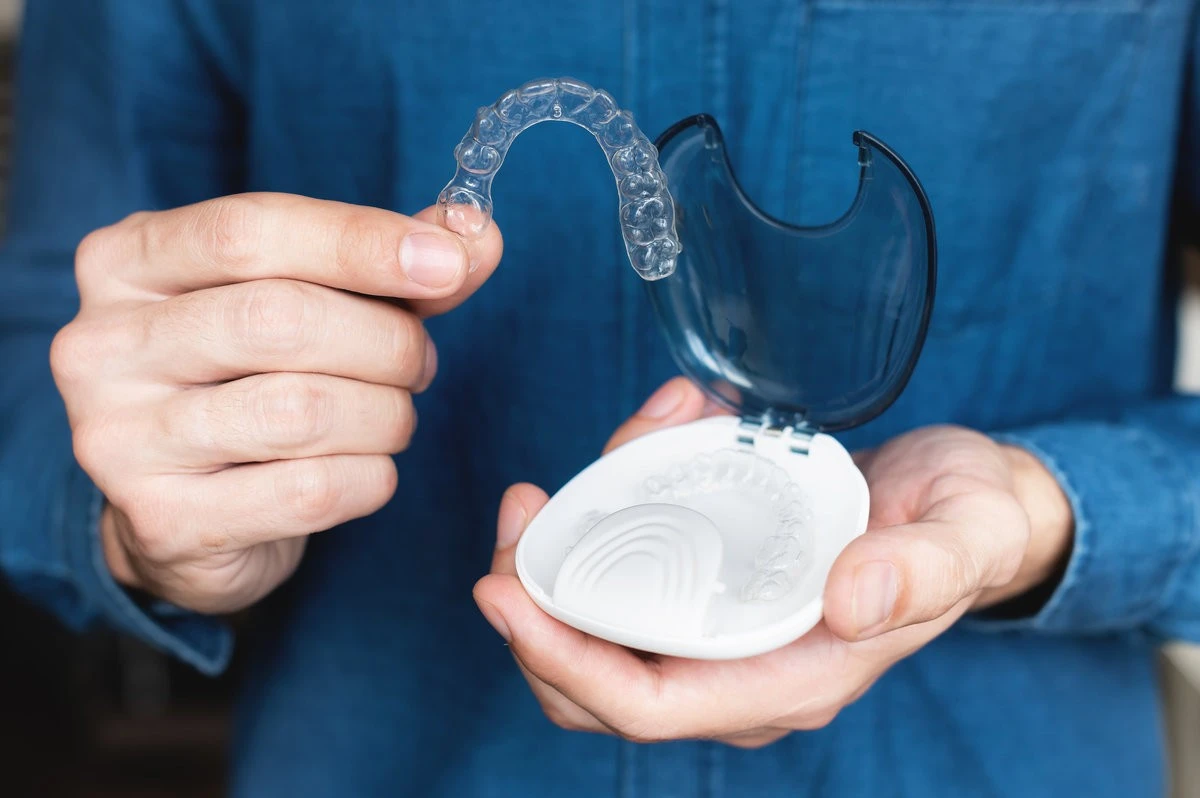
Invisalign uses a series of custom-made, removable clear aligners that are worn over the teeth and replaced every one to two weeks. Each set is designed to shift the teeth incrementally toward the final desired position. Unlike fixed braces, the aligners can be removed for eating, brushing, and flossing, which makes everyday routines significantly easier to maintain throughout treatment.
Invisalign Teen is a version of the system built specifically for adolescent patients. It accounts for the fact that teens may still have erupting permanent teeth, and includes features like eruption tabs to accommodate teeth that have not yet fully come in. Many providers also offer blue compliance indicators built into the aligners, which fade over time to help parents and clinicians confirm the aligners are being worn consistently.
The Lifestyle Advantages Teens Actually Care About
For a teenager, the practical differences between Invisalign and braces often matter just as much as the clinical ones. With Invisalign, there are no food restrictions. Teens can eat whatever they like as long as the aligners are removed during meals. There are no emergency appointments for broken brackets or poking wires, and no special tools required to clean around hardware.
The aesthetic benefit is equally significant. The aligners are nearly invisible when worn, which means most peers will not notice them at all. Research published by the National Institutes of Health found that aligner therapy in adolescents produced a positive effect on psychosocial well-being during the first year of treatment, with teens reporting less impact on their daily lives compared to fixed appliances.
Is Invisalign the Right Choice for Every Teen?
Invisalign is effective for a wide range of orthodontic cases, including crowding, spacing issues, and many bite corrections. However, it is not always the ideal solution for every patient. More complex cases may still require traditional braces, and Invisalign’s success depends heavily on the patient’s commitment to wearing the aligners for the recommended 20 to 22 hours per day. Teens who are likely to remove the aligners frequently or lose them may not be the best candidates.
The best way to determine whether Invisalign is appropriate is through a thorough evaluation that takes into account the specific alignment issues being addressed, the teen’s maturity level, and the family’s priorities. This is a conversation worth having early rather than assuming one option is automatically the right fit.
What to Expect During Treatment
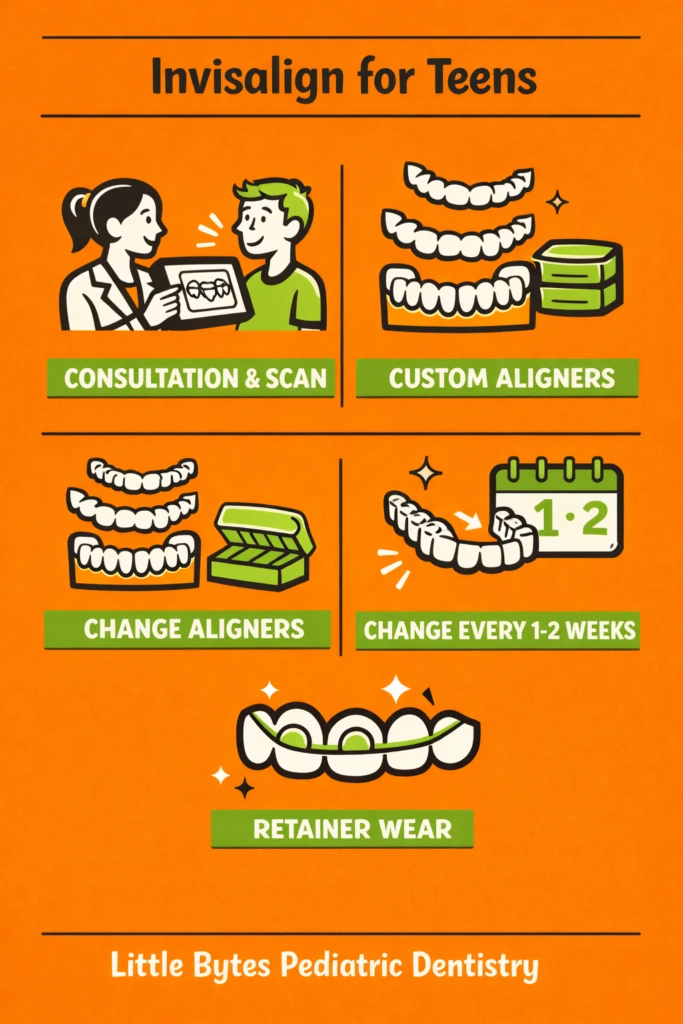
Invisalign treatment typically involves the following steps:
- An initial consultation and digital scan to map the teeth and plan tooth movement
- A custom series of aligners produced based on the treatment plan
- Aligner changes every one to two weeks, with check-ins every six to eight weeks
- Retainer wear after treatment to maintain results long-term
The importance of retainers after orthodontic treatment cannot be overstated. Teeth naturally shift over time, and wearing a retainer as directed helps keep the results of any orthodontic treatment in place.
How Invisalign Fits Into a Complete Dental Health Routine
One of the most underappreciated advantages of Invisalign for teens is the benefit to oral health during treatment. Because the aligners are removable, teens can brush and floss normally, which reduces the risk of plaque buildup and gum irritation that can occur around brackets and wires. Keeping up with routine dental exams throughout orthodontic treatment remains essential, as professional cleanings catch what daily brushing may miss.
Little Bytes Pediatric Dentistry: Helping Teens Smile with Confidence
At Little Bytes Pediatric Dentistry, we take pride in offering orthodontic care that fits the whole picture of a teen’s life, not just their teeth. Dr. Michelle and Dr. Grover bring board-certified expertise and a genuine commitment to individualized care, ensuring that every recommendation is grounded in what is right for your child specifically. Our Palo Alto practice uses the latest digital imaging technology to plan treatment with precision and give families a clear picture of expected outcomes before treatment even begins.
If your teen is interested in Invisalign or if you want to explore whether they are a candidate, we encourage you to schedule a consultation with our team. Reach out to us today to get started.